
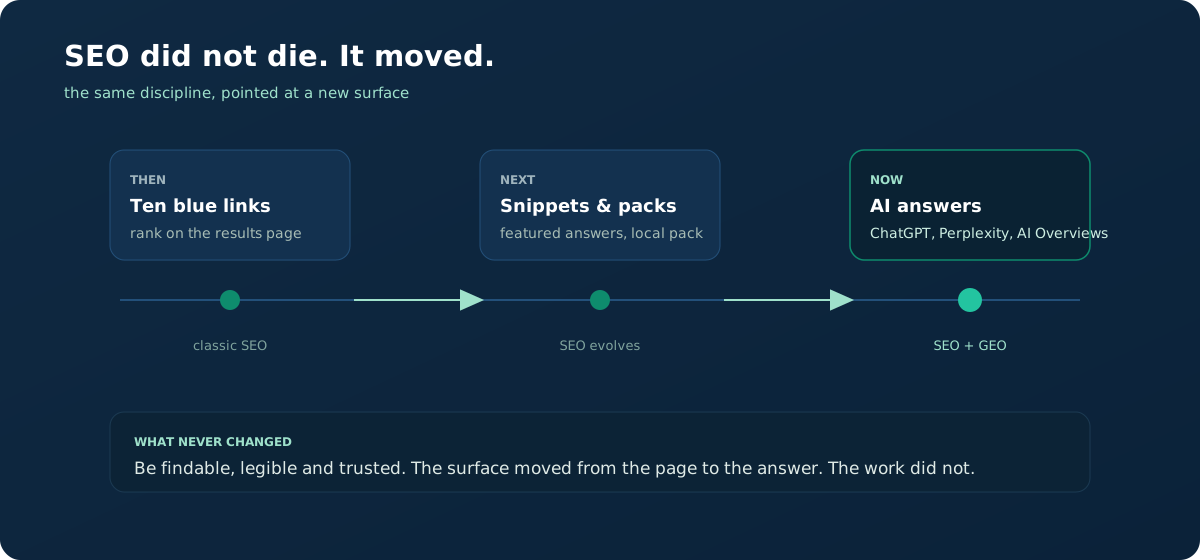
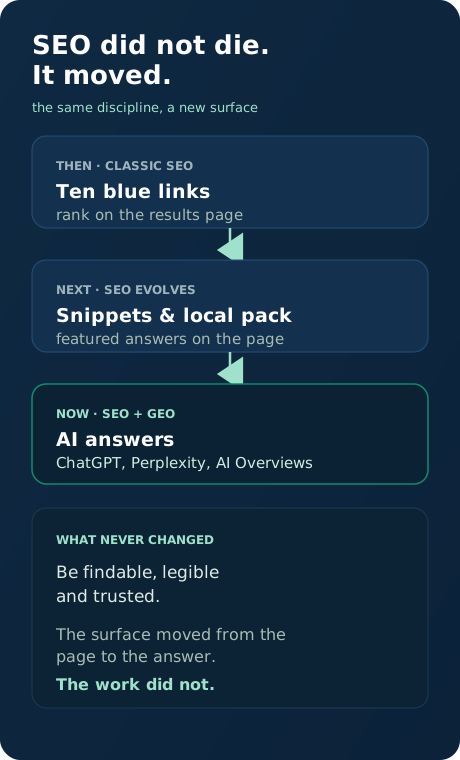
No, SEO is not dead. It evolved. The surface moved from the ten blue links to the AI answer, but the underlying work is the same: being findable, legible and trusted. The same technical health, quality content, structured data and authority that earned rankings now also decide whether AI cites you. What changed is the goal, not the craft.
I have lived through three or four "SEO is dead" cycles since 2019. Voice search was going to kill it. Then featured snippets. Then zero-click. Each time, what actually happened was not death, it was a shift in where the optimization pointed. AI is the biggest of these shifts, but it follows the same pattern. The businesses that panicked and abandoned SEO lost ground. The ones that understood what moved kept winning. This one is no different.
What actually happened
Search did not disappear, it changed shape. For two decades, the goal was to rank on a page of results, and you won by being the link someone clicked. Then engines started answering directly, with featured snippets and local packs. Now AI assistants answer the whole question and name a few businesses inside the response. Each step moved the target closer to being the answer rather than a link near it. SEO did not die at any of these steps. It followed the target.
Why SEO actually feeds AI
Here is the part the "SEO is dead" crowd misses: AI assistants are not a replacement for the web, they are readers of it. They assemble answers from the same signals SEO has always worked on. Google AI Overviews draws directly on the Google index and the entities Google already trusts. ChatGPT's web search leans heavily on Bing. So a strong SEO foundation is not obsolete in the AI era, it is the raw material the AI uses to decide whether to name you. Kill your SEO and you do not just lose rankings, you make yourself invisible to the AI too.
This is why the framing of SEO versus AI is wrong. It is not a competition. The same structured data, the same clear content, the same authority work now serves two surfaces at once: the ranking and the answer. If anything, good SEO matters more now, because it does double duty.
What still works, and what changed
The craft is intact. What shifted is the goal you are optimizing toward, and the metric you judge success by.
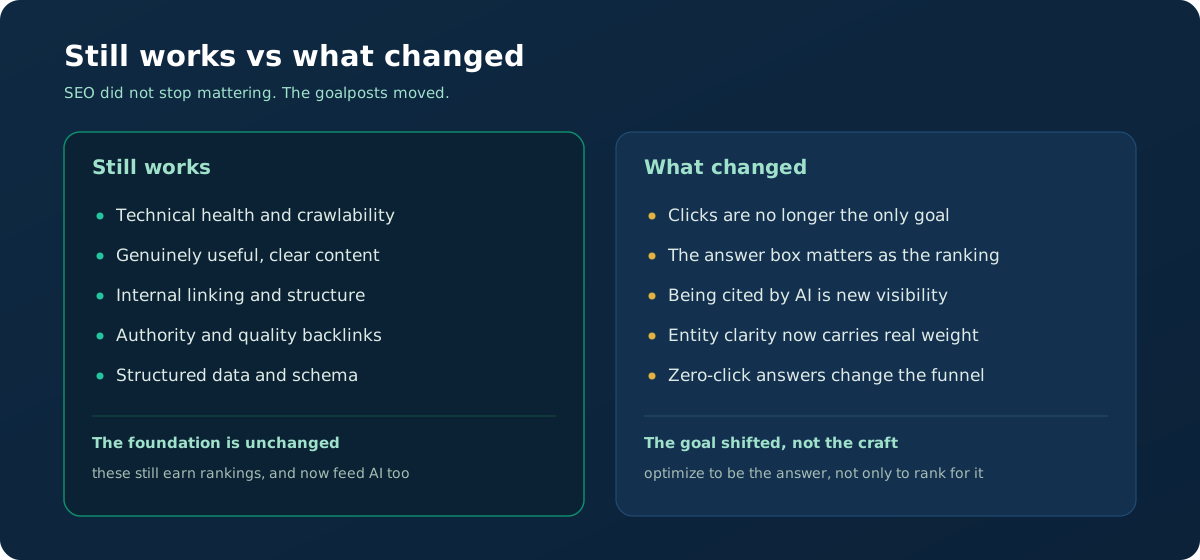
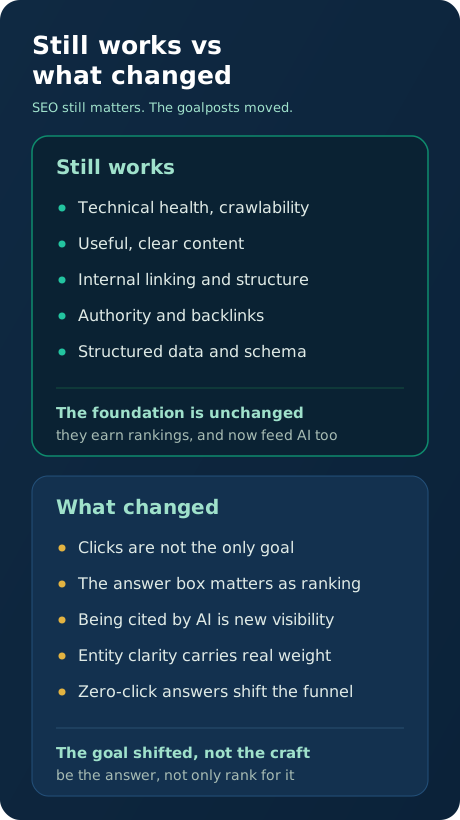
The fundamentals on the left are exactly what they were: technical health, genuinely useful content, internal linking, authority and structured data. None of that became less important. What changed is on the right. Clicks are no longer the only goal, because an AI answer can satisfy the user without a visit. The answer box matters as much as the ranking. And being cited by an AI is a new kind of visibility that did not exist five years ago. The smart move is not to abandon SEO, it is to extend it toward being the answer.
SEO does not die every few years. It moults. The people who call it dead are usually describing the old skin, not the animal.
So what should you actually do?
Keep the SEO foundation, because it is now doing two jobs. Then extend it toward AI visibility: make your structured data clean, sharpen your entity clarity so engines and models know exactly what you are, and treat being cited in an answer as a goal alongside ranking. This extension of SEO toward AI answers is what I call Generative Engine Optimization, and the two are partners, not rivals. The work you already did is not wasted. It is the head start.
SEO is not dead, it moved. The surface went from the page to the answer, but the work, being findable, legible and trusted, is the same, and now it serves both rankings and AI citations. Abandon SEO and you go invisible to the AI too. Extend it toward being the answer and your old work becomes your advantage.